Black Mothers are not hard to reach

3 February 2023
Written by Agnes Agyepong
 
The year is 2021. It has been over 50 years since Neil Armstrong reached the moon, supported by British engineering excellence. Yet, we are still being told that Black mothers that reside here on planet earth, and more specifically – in the UK, are “hard to reach” within the maternal and perinatal health space. We can reach the moon, but we cannot reach Black women amongst us? It would be comical if it were not for the fact that these very untrue assumptions – that Black women are hard to reach - are putting Black women, our babies and our communities at increased risk of harm and, at the tail end - death.
 
So, what is the story in a nutshell?
 
The World Health Organisation (WHO) outlined that globally maternal mental health problems are a major public health challenge, with approximately 10% of pregnant women and 13% of women who have just given birth experiencing a mental disorder. In the UK, as well as the challenges perinatal mental health and wellbeing have on women, children and our society, the long-term economic cost equates to an eye watering £8.1 bn. For Black pregnant women and new mothers, the cost in our communities are felt disproportionately higher, yet we are less likely to receive adequate support.
 
 
This should not come as a surprise to anyone.
 
 
The Mental Health Foundation concluded that due to the lack of adequate and sufficient data on Black people, we are most likely to be misdiagnosed, under-diagnosed, and we receive and have access to fewer treatments. Black women have lower treatment rates despite the fact that we are one of the most marginalised and disadvantaged groups in the UK. And this is all before we become pregnant! These inequalities do not change in pregnancy, they just continue throughout our perinatal stage and beyond. To further compound this trauma Black women are being told that the reason solutions to support are thin on the ground are because WE are the problem – that is that Black women are “hard to reach’, instead of an introspection of the system that Black women operate within.
 
In a blog I wrote for the National Institute for Health Research (NIHR) last year entitled why Black women are not engaging in maternity and perinatal health research I detail the history of obstetric racism towards Black women, stemming from slavery and the exploitative practices of the “founding father” of gynaecology Dr James Marion Simms, to modern day, and outline how the exploitation of Black women within maternal health, which has been ongoing for hundreds of years, has been a key factor in the lack of trust Black women have for medical institutions.
 
I state:
“What needs to be understood is that Black mothers are out there. Black mothers want to be engaged. And we want to be engaged in a way that leads to actionable outcomes and an uplift in our communities. What we don’t want is to be exploited. It is this fear of exploitation that makes Black women hard to reach”.
 
 
If the idea is to reach Black women by exploiting our bodies, pain and trauma then of course you will find us “hard to reach”, after all, what incentive would there be for us to be found? However, If the idea is to genuinely support our communities then I have a set of key questions for introspection that I advise all researchers and medical professionals to ask themselves when trying to engage our communities.
 
I continue:
“If service user involvement within research in the Black motherhood community is to increase, then there has to be a paradigm shift not only in engagement but also within the research communities’ approach.
Ask yourselves, are our leadership teams reflective of the types of audiences we are trying to reach? What Black researchers are we working with on this project? What Black networks are we reaching out to and co-producing with? Are we funding our partners adequately? Is our approach transactional or relationship-led and how are we collaborating with and amplifying the voices of those who are already doing the grassroots work within the community?”
Let’s be real, Black women and mothers are not harder to reach than the moon!
 
What needs to be acknowledged though is that systemic issues such as structural racism and exploitation have created a lack of trust, resulting in disengagement.
 
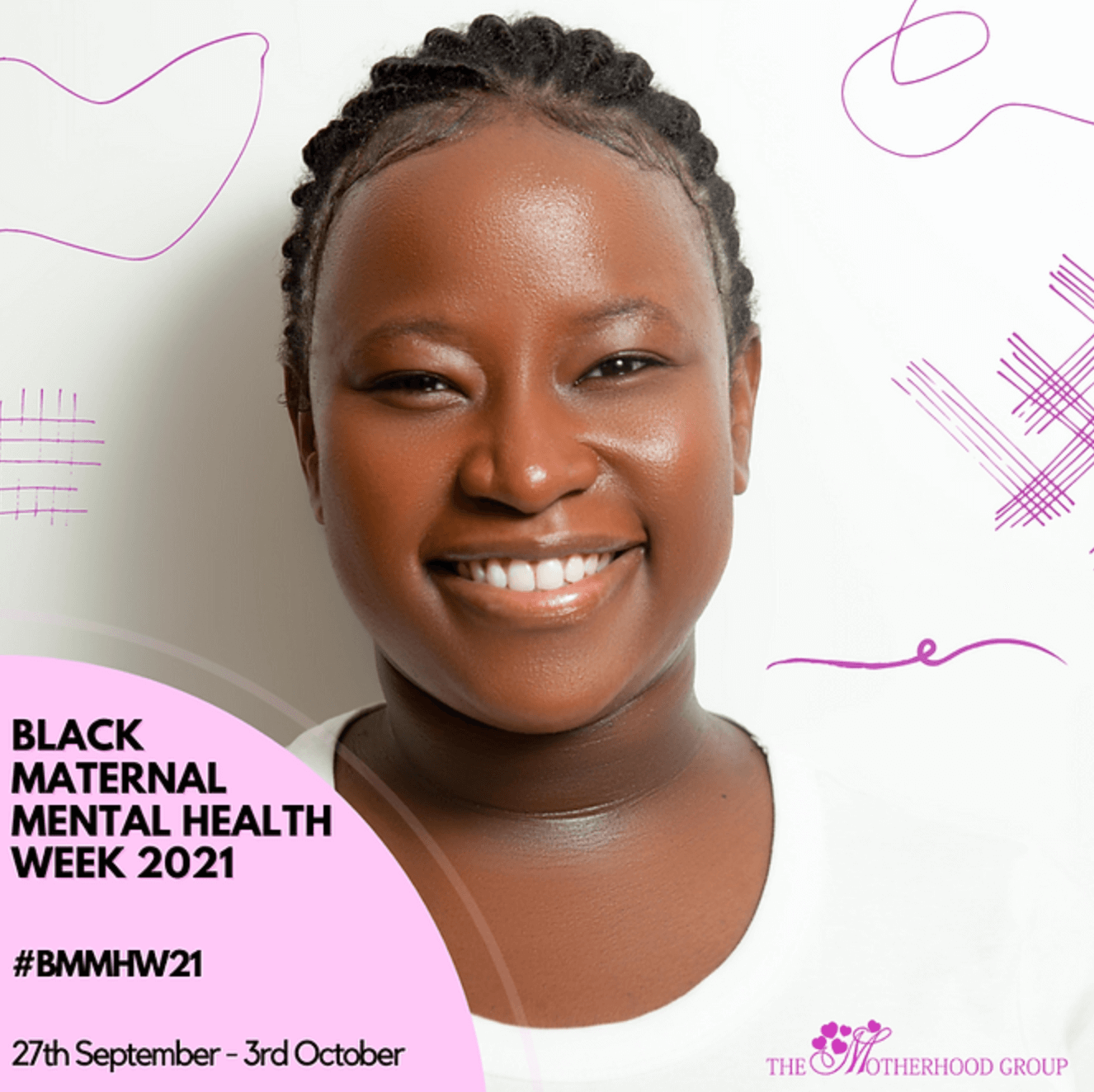
The popularity in events such as the Black Maternal Mental Health Week demonstrate that Black women are not only out there in abundance but are actively leading the charge to improve maternal mental health and well being in spaces where we feel safe, where trust has been established and where we see ourselves represented front and centre stage in the leadership.
 
The statement therefore is not are Black women hard to reach”, but do we trust that you will not use our pain and trauma to serve your own personal gains like history has shown us before?
 
And if the answer to that question is no, then instead of using counterproductive terms like Black women are “hard to reach”, the question should be what is being done to establish trust?

Leave a Reply

Your email address will not be published. Required fields are marked *

© 2026 | The Motherhood Group, Coordinators of Black Maternal Mental Health Week UK
crosschevron-down