
Helen George, MA, Bsc (Hons), Reg. M(BACP) Accred, article written in honour of Black Maternal Health Week.
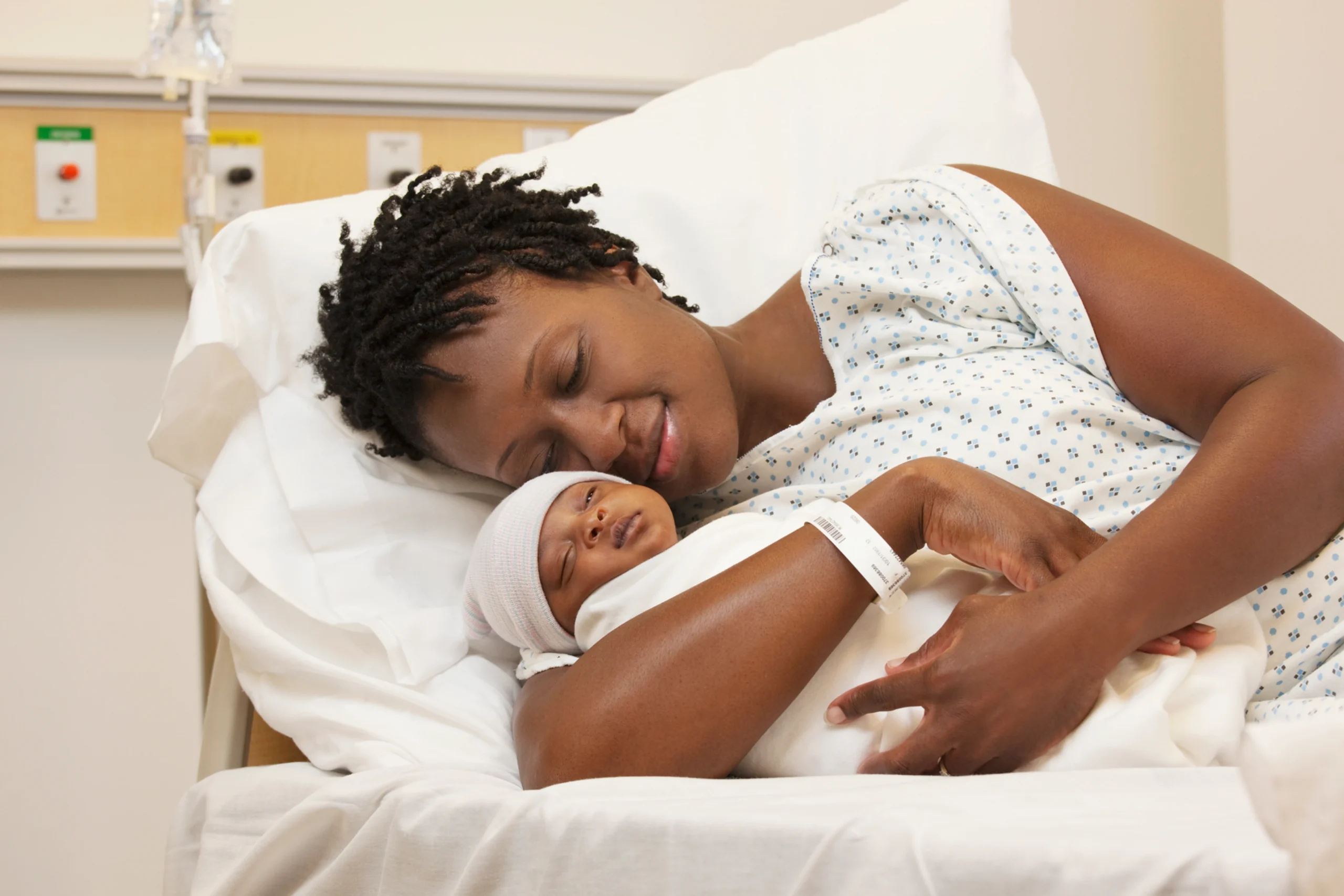
The statistics for Black motherhood and mental health are of grave concern. With the odds stacked up high against them, Black mothers continue to experience trauma and loss due to the disparities they face in maternity care. These disparities include, up to a 43% higher risk of miscarriage, being more likely to experience a traumatic birth, their babies being stillborn or dying neonatally, and the fear of a four-time higher maternal mortality rate during pregnancy and childbirth.
Statistics have long revealed that up to one in five women will experience mental health problems during or after pregnancy – and, yes you guessed it, the figures for Black women are even higher. This would include being at risk of suffering from birth trauma, post-traumatic stress disorder (PTSD), grief and loss, post-natal depression, anxiety and, or panic. The worrying thing is, that even with all these risk factors, Black mothers are least likely to seek help. If they do reach out, they are either unable to access the psychological support they need, or experience worse outcomes, than their white counterparts.
This is a matter of national concern, and it is important that maternal mental health services start dismantling the systemic inequalities that prevent Black mothers accessing and receiving the support that they desperately need. Perhaps it’s time now for a nationwide service response that equitably meets the intersectional needs of Black mothers suffering from trauma and loss.
Recent research studies looking at how maternal mental health care can be improved have failed to do this. These studies focussed on women’s experiences in general1, or women from ethnic minority backgrounds2,3. Whilst they are important studies, there was no specific focus on the intersectional needs of Black mothers and the disparities they face because of their racial identity and gender. The NHS Mental Health Long Term, Implemental Plan (2019/20 – 2023/24)4 also didn’t take into account the unique needs of Black mothers accessing specialist perinatal mental health support5.
The call for change has started. Organisations such as Birthrights, The Royal College of Obstetricians and Gynaecologists (RCOG), Fivexmore, and The Motherhood Group have taken up the mantle. But we also need on the ground, mainstream maternal mental health services to follow suit. The trauma and loss that Black mother’s experience, because of the disparities they face, needs to be considered in the wider context of equity and inequality.
The call for change continues. Give Black women a seat at the table to help influence and make change.
Helen George, MA, Bsc (Hons), Reg. M(BACP) Accred
Helen is a BACP Accredited psychotherapist working in private practice, specialising in working with women. She is also a PhD researcher and the founder of Community Trauma Conference UK, a not-for-profit organisation focusing on trauma and healing within Black, Asian and minoritised communities.
This year’s conference, ‘Black Women, Trauma and Mental Health’ will take place on Saturday 29th October 2022. (www.communitytraumaconf.com)
References:
3. https://bmcmedicine.biomedcentral.com/articles/10.1186/s12916-020-01711-w


