Back to School - Children and young people are set to return to early years, schools and colleges
26 August 2021
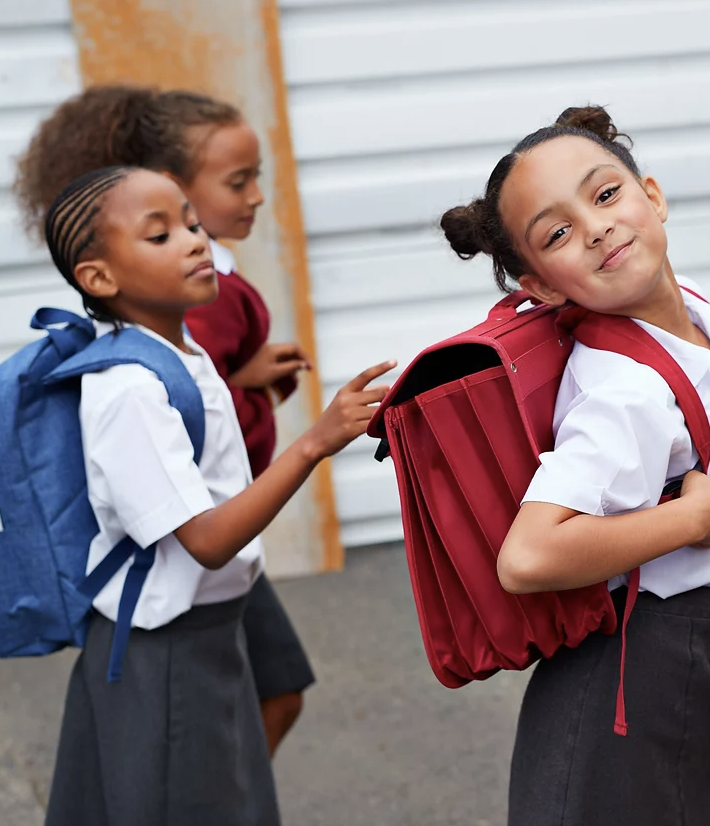
Not long until our little ones are back to school after a long 6-week break! With that being said, we are now moving to a new phase of living with the virus. This is due primarily to the success of the vaccine rollout - at present 76% of the adult population has been double vaccinated!
So what does this mean for schools, nurserys and places of education?
Learn to live with:
As Covid-19 becomes a virus we learn to live with, delivering high-quality face-to-face education and reducing disruption to children and young people’s education is vital to support their attainment, life chances, and mentaland physical health and wellbeing.
The benefit of Education:
Education and childcare settings are the best place for children and young people to be and the benefit of education continues to significantly outweigh the covid health risk to children and young people. The Government’s Chief Medical & Scientific Officers agree that there is a very low risk and rate of severe illness in children from current variants.
More Freedom:
With the easing of Covid-19 restrictions, children and young people are now able to enjoy more freedom and socialisation in their education and care settings. This will also have huge benefits to their mental health and wellbeing - they can experience break times and lunch together with other year groups and friends, not just their bubble, take part in team sports and practical lessons, including science experiments, cooking, and music groups.
Not a Direct Link:
The restrictions in education settings have been eased as the link between high case rates and serious illness/NHS capacity is not as direct. Moreover, every adult has been offered a first vaccine and the opportunity for 2 doses by mid-September.
Regular Handwashing:
Regular Covid-19 testing and compliance with wider behaviours such as ensuring regular handwashing, maintaining appropriate cleaning regimes, keeping spaces well ventilated will continue as it remains important in reducing the risk of transmission within schools.
Data suggests adult vaccinations and the rapid asymptomatic testing programme contributed to reducing the risk of infection in schools.
Plans in Place:
All education and childcare settings should already have plans in place on what to do if pupils, students or staff test positive for COVID-19, or how they would operate if they were advised to reintroduce any measures to help break chains of transmission.
Attendance is Mandatory:
Attendance is mandatory and parents have a duty to ensure that their child regularly attendsthe school where they are registered. If parents have concerns, they should discuss these with their school and local authority to ensure that their child is able to continue regularly attending school.
It's important to note that:
Asymptomatic testing remains important in reducing the risk of transmission within schools. That is why, whilst some measures are relaxed, testing will remain.
If you have symptoms, even mild ones, you should take a PCR test immediately to confirm if you have the virus. Also, don’t forget to keep using rapid Covid-19 tests twice a week. Around 1 in 3 people with Covid-19 have no symptoms and can spread it without knowing.
Those who test positive should isolate, take a confirmatory test, and continue to isolate if the result is positive. Schools and colleges will implement high-quality remote education so that any child who is well enough to learn from home can do so.
All tests should be reported online or via 119, whether void, negative, or positive.
Don’t forget Covid-19 symptoms. If you have a high temperature, a new, continuous cough or a loss or change to your sense of smell or taste, you should self-isolate and take a PCR test immediately to confirm if you have the virus – even if your symptoms are mild and/or you have been vaccinated.
If you receive a contact alert via the app and you are under 18 and 6 months, fully vaccinated or otherwise exempt, you will be advised to take a PCR test, but not to self-isolate.
If you are not under 18 and 6 months, fully vaccinated or otherwise exempt and you receive a contact tracing alert via the app you should self-isolate and get a test. If you test positive you will still need to self-isolate. It is crucial to follow the app’s advice to help break chains of transmission and keep people safe.
Safety First:
Nurseries, schools, and colleges will continue with some protective measures in place including, ensuring good hygiene for everyone, maintaining appropriate cleaning regimes, keeping spaces well ventilated and following public health advice on testing, self-isolation and managing confirmed cases of COVID-19.
To find out more about what to expect when pupils return to school/college in September visit gov.uk/backtoschool
One comment on “Back to School - Children and young people are set to return to early years, schools and colleges”
I have to thank you for the efforts youve put in writing this blog. Im hoping to check out the same high-grade blog posts by you later on as well. In fact, your creative writing abilities has encouraged me to get my own website now 😉



I have to thank you for the efforts youve put in writing this blog. Im hoping to check out the same high-grade blog posts by you later on as well. In fact, your creative writing abilities has encouraged me to get my own website now 😉